What is Dental Anxiety?
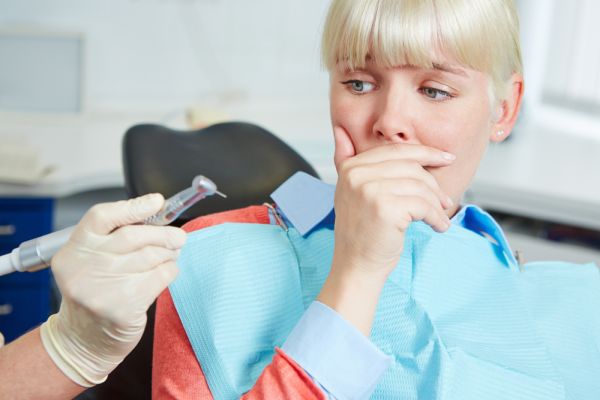
dental anxiety is a mild to moderate fear of going to the dentist, and it causes many to avoid and put off needed oral care. By understanding dental anxiety and knowing how to effectively overcome it, you can ensure it does not hold you back from getting the dental care you need.
Dental anxiety information
dental anxiety is incredibly common, and it affects many Americans each year. While it is hard to eliminate all nerves or anxieties that exist before a trip to a dentist, there are certain things that can be done to not let the dental anxiety define you and hold you back from visiting the dentist.
Causes of dental anxiety
Everyone with dental anxiety has a different reason for their nerves. Some nerves are rational, whereas many other fears are irrational. A few of the more common causes of dental anxiety include but are not limited to:
- Fear of pain
- Embarrassment
- Bad experiences
- Feeling trapped
It is important to be able to recognize and acknowledge the cause of dental anxiety in order to determine how to overcome it.
Symptoms of dental anxiety
Dental anxiety is usually obvious, although the person may not always be willing to admit it exists. Most with dental anxiety are very tense and nervous about a scheduled trip, and they may try and come up with reasons to skip their visit. A minor case of dental anxiety is nothing to be too concerned about, but a more serious case of dental anxiety can cause the person to feel as if they are physically ill or lead to breathing complications.
Dental anxiety versus dental phobia
The symptoms of dental anxiety have a wide range. A minor case may only lead to nervousness and perhaps a lack of sleep the night before, and a more serious case can be much more concerning. It is important to be able to distinguish dental anxiety from dental phobia.
Dental anxiety is common for many dental patients, but dental phobia is much more serious. While the patient is often willing to acknowledge the phobia, they do not always have control over the symptoms.
How to deal with dental anxiety
The best way to deal with a minor case of dental anxiety is to simply power through and make it into the dentist office. Be sure to describe your anxieties to the dentist, and they can guide you through the process and help you stay as calm as possible. For more severe cases of dental phobia, it may be best to consult with a mental health professional, particularly if the phobia leads to physical symptoms.
Discuss dental anxiety with a dentist
If you are concerned about an upcoming dental visit or have put off a needed dental visit due to your dental anxiety, then contact our dental office today. We can help you take the necessary steps to overcome your fear and receive the dental care you need.
We understand dental anxiety is common. We are willing and able to help you through each process, keeping you relaxed the best we can.
Request an appointment here: https://www.esdmke.com or call Eastside Dental at (414) 888-4000 for an appointment in our Milwaukee office.
Check out what others are saying about our dental services on Yelp: Dental Anxiety.
Related Posts
Choosing the right dentist is important when addressing dental anxiety. Some dentists are fully prepared to address their patients' anxiety, while others place various levels of importance on how to treat patients who experience anxiety. When the right dentist is chosen, patients are more likely to make it to their regular dental appointments, supporting their…
Think you need to visit the dentist because you are experiencing mouth pain? Suffering from any form of pain in your mouth is definitely going to get your attention. Living with pain in the mouth can make it difficult for you to get through the day. Pain is the body's way of telling us that…
Searching for "dentist near me" offers more than just choosing a provider based on location convenience. The right general dentist provides the essential care necessary to keep a smile healthy and vibrant while protecting the foundation of the teeth and gums. Daily habits like brushing and flossing help maintain oral health, but certain areas remain…
A dental bridge can replace missing teeth, restore chewing support, and help keep the smile balanced. This restoration uses crowns and artificial teeth to fill a gap and usually attaches to nearby natural teeth or dental implants for support. While timelines can vary, partnering with our dentist can help extend your bridge's lifespan.The lifespan of…