Are Dental Implants Right for Me?

If you have suffered badly damaged teeth or have lost teeth, there are multiple restoration options available, including dental implants. After reading about the benefits of dental implants, you probably wondered: “are dental implants right for me?” In this article, we cover factors to consider to help you make a proper choice for your condition.
What dental implant options are out there?
Dental implants are generally considered the best standard treatment available for tooth loss caused accidents or decay. However, this does not indicate that they are suitable for every patient. Before making a decision, you should book an appointment with the dentist.
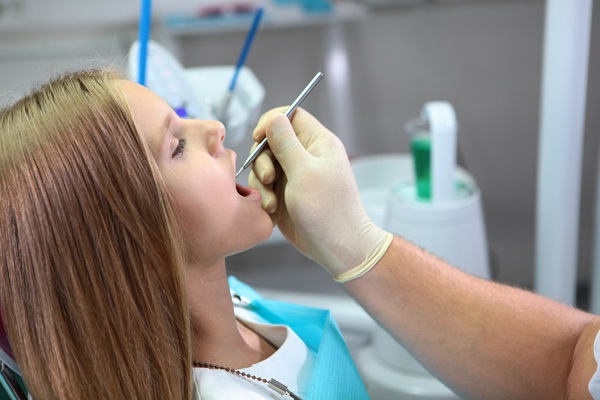
The dentist will examine your current condition, medical history, timeline, lifestyle, and other personal factors to decide if you are a perfect candidate for implants.
During the dentist appointment, the dentist will inform you of other restorative dental options, including dental bridges and traditional dentures. The treatment will be personalized to fit your condition and extent of the damage. Since the dentist will be your primary source of information, you need to choose a professional dentist will excellent history.
Understanding the costs and benefits of implants
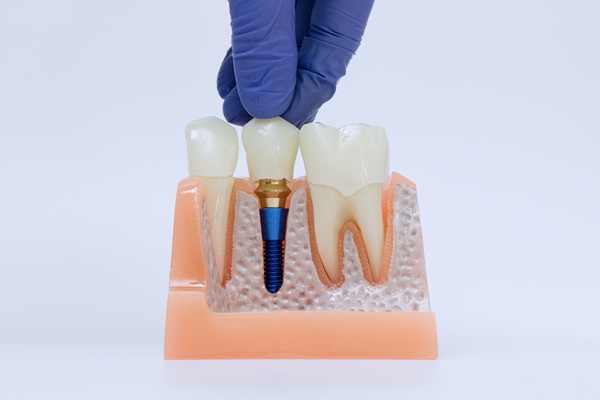
Dental implants have many incredible benefits and can be remarkable for people who have had to deal with spaces in their smile or faulty dental appliances. Implant-supported dental solutions feel similar to normal teeth, plus they strengthen the oral structure, improve dental health and ultimately enhances the appearance of the smile.
Like every other surgical procedure, dental implant surgery is invasive and has its risks. Luckily, the success rate of dental implants is high. Studies have shown 95% of all procedures are still intact after two decades of initial treatment. The result mainly lies in the expertise and meticulousness of the oral surgeon. With adequate oral hygiene, including regular dental appointments, implants should last a lifetime.
Dental implants typically cost more than conventional restorations such as dental bridges and dentures. However, the method is known to be the most cost-effective option in the in the end. Implants are permanent solutions and have continuous health advantages.
With dental implants, the patient doesn't have to bother with repeated adjustments or later restorations caused by unstable jawlines. Dental implants stimulate the jaw and therefore avert potential bone deterioration that may lead to repeated dental issues.
Are you a candidate for dental implants?
For the dentist to recommend dental implants, you must have a certain level of oral and general health. People with gum diseases or abscess have fewer chances of getting successful dental implants and are more susceptible to implants failure.
Also, your health must be in good condition before any surgical procedure can be done. Patients with diabetes and other chronic conditions are not eligible for an implant because the underlying condition inhibits their body’s ability to heal. Seniors without adequate strength may need to consider other restorative options.
The jawbone must be in a good state for dental implants. Before the procedure, the dentist will take 3-D images or X-rays of the oral cavity. If the jaw is not thick or wide enough, it may not support the implant. In some cases, simple bone grafting may help enhance the jaws.
Although bone grafting appears complicated, it is actually a simple, painless treatment with no side effects, especially when performed by a professional dentist.
Find your best smile
With dental implants, you can have your self-confidence restored and no longer have to worry about the quality and appearance of your smile.
For more information or to schedule an appointment with Eastside Dental, request an appointment in our Milwaukee office here: https://www.esdmke.com. Or call us at (414) 888-4000.
Check out what others are saying about our dental services on Yelp: Dental Implants.
Related Posts
Dental implants can replace missing teeth, but the surrounding tissues still require daily care and professional monitoring. Gum disease around implants (peri-implantitis) can begin with inflammation in the soft tissue and may progress to bone loss if it worsens. Recognizing the signs and seeing a dentist early on can make treatment easier.Routine implant maintenance may…
Losing a tooth can impact both how your mouth functions and how your smile looks, making it important to find the right replacement. Dental implants are the preferred tooth replacement due to their natural look and feel. Offered by general, family, and cosmetic dentists, implants support long-term oral health and help patients feel more confident…
Dental implants are highly recommended when it comes to replacing missing teeth. They are the only oral prosthetics that replace teeth and their roots. Other prosthetics like dentures and bridges simply replace the visible part of the tooth.Implants are surgically placed in the patient’s jaw and left there to fuse with surrounding bone tissues. The…
When a patient has dental implants, follow-up visits are important. Many patients need to have replacement teeth for a variety of reasons. You may have gotten them because you lost several teeth due to a traumatic accident, or you may have been on medication that caused your teeth to deteriorate. Regardless of how you lost your…