Orthodontic Care for Crooked Teeth

There are millions of people in the world dealing with crooked teeth. While it may not seem like a serious health concern, it certainly has a significant impact on one's appearance. Crooked teeth make adults self-conscious of their smile and may cause self-esteem issues in adolescents. In most cases, single or multiple misplaced teeth attract attention and make your smile awkward and misplaced.
Crooked teeth modify your bite, resulting in unnecessary force on healthy teeth. If neglected, dental erosion, cracked teeth or TMJ disorder may occur. Also, crooked teeth are harder to clean and may end up collecting bacteria.
The point is this: The condition affects our lifestyle and can be burdensome to live with. If you are tired of your crooked teeth, then you should seek orthodontic care.
Causes of crooked teeth
Below are some of the most common reasons for crooked teeth:
- Genetics – it is possible to inherit the issue from parents
- •Missing teeth – untimely loss of the teeth can cause other teeth to shift out of place
- Ill-fitting dental restorations – poorly done crowns and bridges may put pressure on other teeth
- Gum diseases
- Aging
- Thumb sucking
- Injury
Initial examination
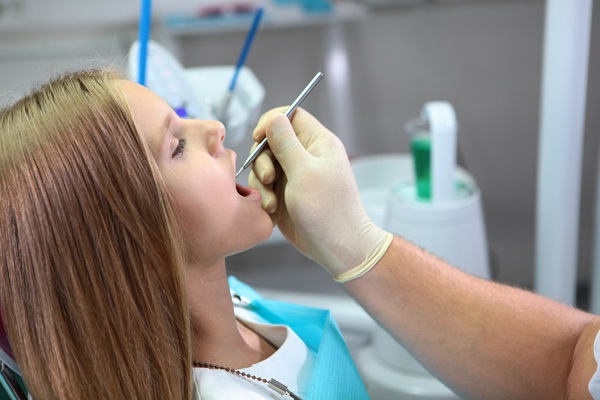
First, a dentist or orthodontist will examine the state of your teeth and predict their development without orthodontic care. He or she will proceed to review your entire medical and dental records, perform X-rays of the jaw and teeth and do a clinical examination. After a scan of the oral structure, the dentist or orthodontist will be able to design or recommend a unique method of treatment for the patient. This is to ensure your satisfaction at the end of the procedure.
Orthodontic devices
Fixed appliances
These are usually used to treat crooked teeth when precision is essential. While the patient may be able to eat normally with the device, they must avoid certain foods and drinks. Fixed appliances include braces, fixed space maintainers or special fixed devices, which are only used in exceptional cases.
Removable devices
In contrast to fixed appliances, patients can take out removable devices when they want. However, they should be removed only when brushing, flossing or eating. We also recommend that you remove them during sports or when playing musical instruments.
Removable devices include retainers, splints, aligners (such as Invisalign), lip and cheek bumpers, palatal expanders or in rare situations, headgear.
The treatment procedure
Once you seek treatment, the dentist or orthodontist will do the following:
- Examine and diagnose the extent of the situation
- Address the cause(s) or outline the state of the issue
- Create a treatment process specially designed for the patient’s needs
- Inform the patient of the nature of the condition and the treatment process
- Commence the treatment plan
Final note
If you have questions about the orthodontic process, you can reach out to us for more details. We will be pleased to attend to your concerns and help you get the beautiful smile you have always wanted.
Request an appointment in our Milwaukee office here: https://www.esdmke.com.
Check out what others are saying about our services on Yelp: Read our Yelp reviews.
Related Posts
Seeing blood during a dental cleaning can catch patients off guard, especially when their gums felt fine beforehand. Bleeding often happens when plaque irritates the gumline and makes the tissue more sensitive. The good news is that there are several simple steps patients can take to prevent bleeding gums and improve comfort at their next…
Dental implants can replace missing teeth, but the surrounding tissues still require daily care and professional monitoring. Gum disease around implants (peri-implantitis) can begin with inflammation in the soft tissue and may progress to bone loss if it worsens. Recognizing the signs and seeing a dentist early on can make treatment easier.Routine implant maintenance may…
A dental bridge can replace missing teeth, restore chewing support, and help keep the smile balanced. This restoration uses crowns and artificial teeth to fill a gap and usually attaches to nearby natural teeth or dental implants for support. While timelines can vary, partnering with our dentist can help extend your bridge's lifespan.The lifespan of…
Searching for "dentist near me" offers more than just choosing a provider based on location convenience. The right general dentist provides the essential care necessary to keep a smile healthy and vibrant while protecting the foundation of the teeth and gums. Daily habits like brushing and flossing help maintain oral health, but certain areas remain…